

What is the Difference Between Fireproof and Fire-Resistant?
When protecting a residential or commercial structure from fire, the terminology used on protective paints, foams, and building materials is critical. You will frequently encounter the terms fireproof and fire-resistant. While these terms are often used interchangeably in casual conversation, understanding their technical application is essential for life safety and property protection.
In the world of fire science, protection is not about total immunity; it is about performance and time. No material is entirely immune to heat, but the right products provide the critical window needed for evacuation and emergency response.
What is Fireproofing vs What is Fire Resistant Material?
While they share the goal of life safety, "fireproofing" and "fire resistance" refer to different methods of protection.
Fireproofing: A Systemic Treatment
Fireproofing refers to the process or treatment applied to a structure to help it maintain its integrity during a fire. It is a passive fire protection measure. For example, applying a cementitious spray to steel beams does not make the steel "proof" against heat, but it insulates the metal so it can endure extreme temperatures for a set period without melting or buckling.
Fire-Resistant Materials: Inherent or Treated Properties
Fire-resistant materials are those designed to withstand heat and prevent the spread of flames. These materials can be inherently non-combustible (like stone) or chemically treated to self-extinguish once the ignition source is removed.
Key Distinction: Both terms describe performance-based ratings. Whether a material is labeled as fireproof or fire-resistant, its effectiveness is measured by how long it can withstand a standardized fire endurance test before failing.
The Role of Fire Retardants
Fire retardants are chemical catalysts used to provide or enhance fire resistance. When applied to substrates such as wood, fabric, or cables, a fire retardant slows combustion and reduces flame spread.
While "fire resistant" often describes a material's inherent nature, "fire retardant" typically refers to the substance or treatment that creates that resistance. Using high-quality fire retardants is a primary method for upgrading standard building materials to meet strict safety codes.
The Reality: Nothing is 100% Fireproof
It is a common misconception that certain materials offer absolute protection. In truth, given enough time and a high enough temperature, every material will eventually degrade or succumb to thermal stress.
The objective of fire-rated products is to mitigate risk. By increasing the time required for a material to ignite or for a structure to fail, you maximize the time available for occupants to evacuate. According to the National Fire Protection Association (NFPA), a fire can become life-threatening in two minutes or less; every second gained with fire-resistant materials is a second toward survival.
Examples of Fireproof and Fire Resistant Materials
While both fireproof and fire resistant materials aim to minimize fire risks, their properties and applications can vary significantly. So, what materials are fire resistant? Below are some common examples:
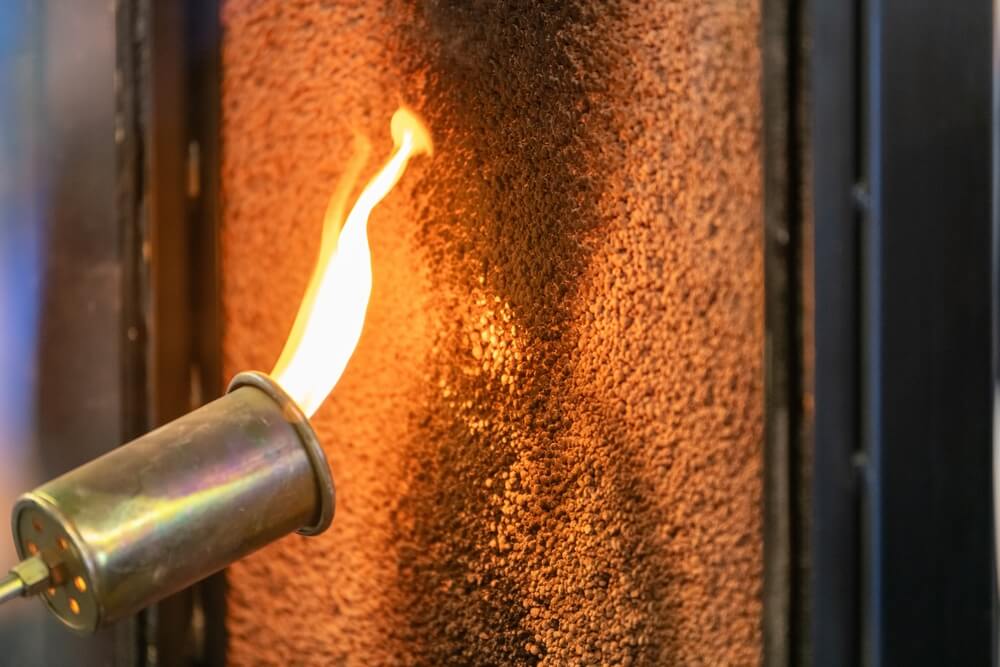
Fire-Rated Structural Materials
- Concrete: Known for its excellent fire resistance, concrete does not burn and can protect structural elements from fire damage.
- Fireproof Coatings: These are specialized sprays or paints applied to surfaces to prevent or slow down combustion.
- Steel (with fireproof coating): While steel can lose strength under extreme heat, fireproof coatings help extend its structural integrity.
Fire-Resistant Building Components
- Fiberglass: Commonly used in insulation, fiberglass is naturally fire-resistant and does not ignite easily. People often cite it when discussing what materials are fire-resistant.
- Gypsum Board: Also known as drywall, gypsum boards contain water molecules that help resist fire.
- Fire-Resistant Glass: Often used in windows and doors, this type of glass can withstand high temperatures for a certain period.
Remember, a few minutes can make all the difference between safely evacuating everyone and a disaster or needing fire department intervention. Don't be discouraged if a certain paint or foam can't make your wood deck completely fireproof, no matter what.
Planning for Performance
Effective fire protection is a matter of proactive planning. The performance of your chosen materials directly dictates the safety profile of your building. By selecting the appropriate fire retardant paints and treatments for your specific application, you create a layered defense system designed to perform under pressure.
Technical Support from RDR Technologies
At RDR Technologies, we specialize in the science of fire retardants, suppressants, and specialty chemicals. Our mission is to ensure you have the correct technical data to choose the right products for your specific substrate and application.
We serve as a technical resource for contractors, facility managers, and homeowners seeking to enhance their fire safety protocols. To learn more about our testing standards or to find the right solution for your project, please contact our team through our online inquiry form.
Recent Posts
-
Painting Styrofoam Insulation: How To Do It
Painting styrofoam insulation is a common finishing step in garages, basements, and utility spaces w …Mar 2nd 2026 -

Halloween Decor Safety: Protecting Costumes, Props & Haunted Houses with Fire Retardants
Halloween is one of the most creative holidays of the year. From glowing jack-o’-lanterns to elabora …Nov 5th 2025 -

Cost-Benefits of Investing in Fire Retardant Coatings
In today’s construction and safety-conscious environment, protecting buildings, assets, and people h …Nov 5th 2025