
Painting Styrofoam Insulation: How To Do It
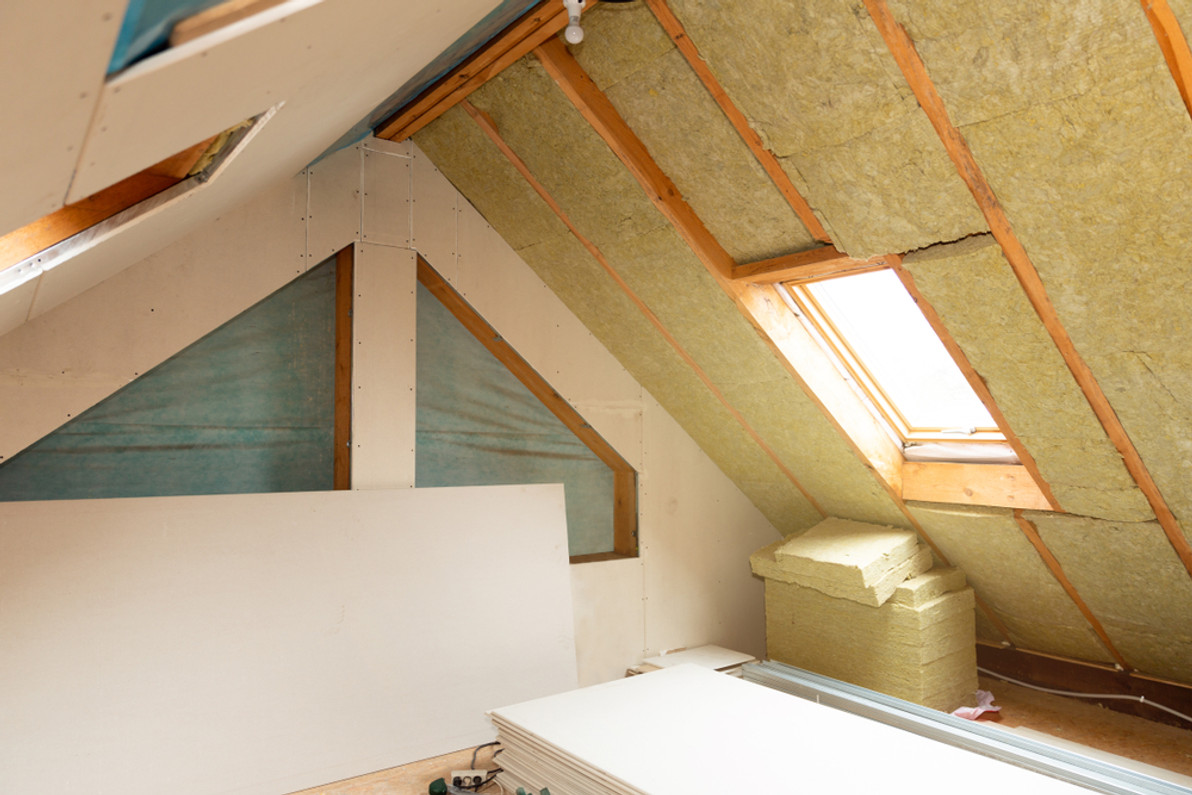
If your basement, attic, or other space has styrofoam insulation that has not been covered by drywall or wallboard, you can paint it for a better, more-finished look. Not only does this offer a better atmosphere, but it seals the foam.
Painting styrofoam insulation in your home or commercial building can help improve the appearance of an area where walls haven't been covered with drywall. For example: an attic, garage, or basement.
If you need to meet FIRE CODE, you will probably need to cover it with drywall. But there is another option for that (keep reading).
Can You Paint Styrofoam Insulation?
Yes, you can paint styrofoam insulation, but you need to use the right materials. Solvent-based paints can damage the foam, so opt for water-based or latex paints. Start by applying a primer designed for styrofoam to ensure the paint adheres properly. After priming, use a brush, roller, or sprayer to paint the surface.
Is Styrofoam a Good Insulation?
Styrofoam is an effective insulation material with excellent thermal resistance, helping reduce heat transfer. It's lightweight, moisture-resistant, and easy to install. However, it’s not fire-resistant and should be installed with fire barriers for safety.
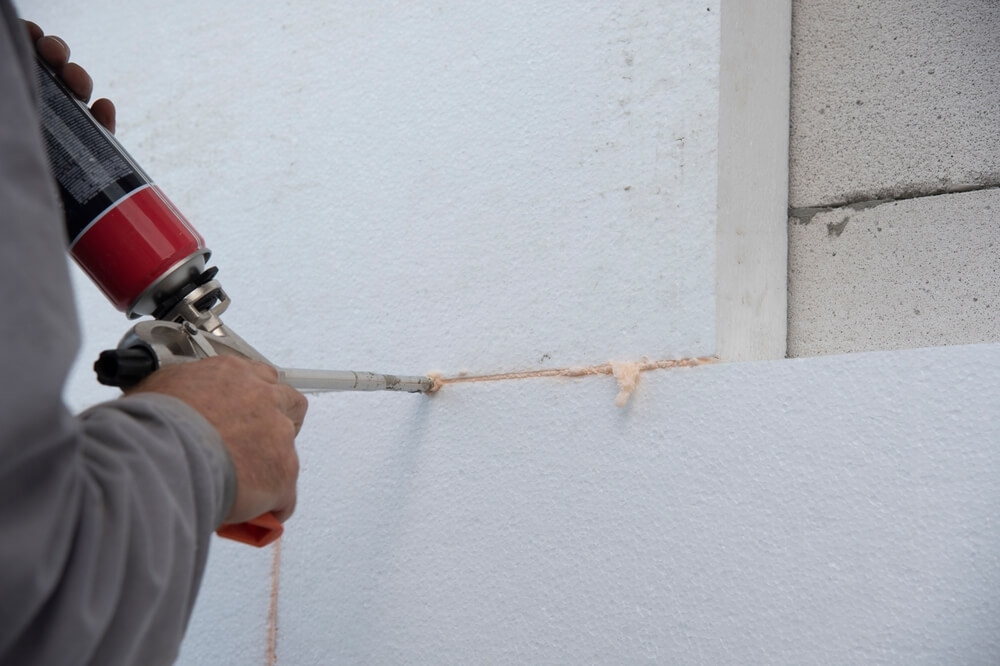
A Quick Guide to Painting Styrofoam Insulation
Painting styrofoam insulation isn't difficult! In fact, it can be done in just three simple steps. These are:
Step 1: Sanding
You will want to begin by smoothing the edges of the foam with sandpaper. Sand the ends of the foam to make a smooth finish. Always wear your face mask when sanding, to protect your throat and lungs.
Step 2: Painting
Apply two or three coats of your chosen paint to the foam. This helps you get the paint into the pores of the foam. When painting walls, hold the gun close enough to the surface that you can easily move the gun back and forth as you spray. However, make sure it is not so close that you over spray, causing the paint to drip and run down.
Step 3: Waxing
After determining how many coats are needed for the coverage of the entire area and then letting it dry, it's time to wax. Let it stand for some time to dry completely. A wax sealant can then be applied to protect the paint.
Styrofoam vs. Spray Foam Insulation
Polystyrene is used to make rigid board insulation, like the blue, pink or green boards you find at the hardware store. It is cheap and easy to work with, but it is extremely flammable. It has an ignition/flash point around 175°F. At this time, THERE ARE NO COATINGS THAT CAN GIVE POLYSTYRENE A 15 MINUTE FIRE RATING! This is important! The polystyrene will melt away or ignite long before the chemicals in the fire retardant coating have a chance to work.
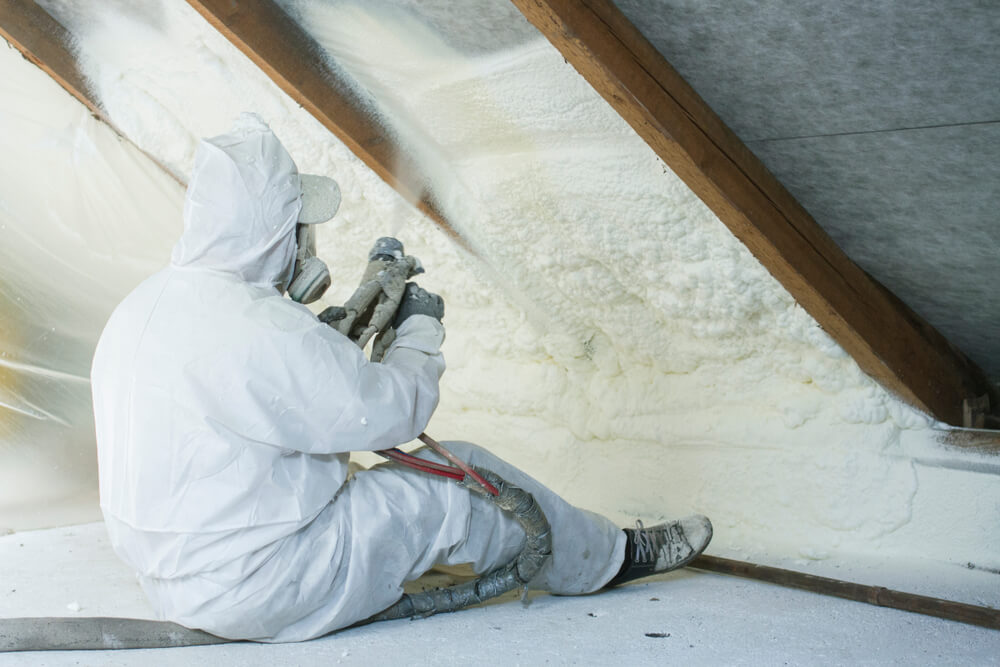
Spray foam insulation (SPF) uses polyurethane, which has a much higher ignition/flash point - around 350°F. RDR Technologies has several fire retardant paints that can give SPF a 5 minute or 15 minute thermal barrier rating to meet fire code - DC315, F10E, Contego and FireGard paints.
One workaround that may be acceptable to your inspector if you have rigid board, is to apply a 'flash' coat of spray foam insulation to your rigid board, then paint the SPF with something like DC315, or F10E. That should keep the integrity of the rigid board intact, and give enough time for the retardants to activate.
Our Top Paint for Spray Foam Insulation
It's important to note that only water-based acrylic or latex paint should be used on foam insulation. Acrylic paints hold their color longer than other options, like oil-based paint. We'd also like to point out that using flat or semi-gloss paint is best, as this hides any irregular areas of the foam much better. A high-gloss finish accentuates any bumps.
You don't need to go shopping all over town to find the perfect product; we have it right here on our website. When you need a product for painting spray polyurethane insulation, you're going to want to use F10E Intumescent Paint for Spray Foam Insulation.
This paint passes full scale room corner tests over foam and meets requirements for 15 minute thermal barrier. This is a water-based, one part coating system that comes in white but can be tinted different colors. It is ideal for walls, attics, and other crawl spaces.
If you have any additional questions about this paint or our other fire retardant products, don't hesitate to reach out and ask. Our experts are more than happy to answer any questions or concerns you have before you begin your project!
Recent Posts
-

Fire Retardant Coating for Exterior Wood: Protecting Structures from Fire Risk
Exterior wood is used for siding, decks, fences, and outdoor structures. However, wood-based buildin …May 18th 2026 -
15 Minute Thermal Barrier Spray Foam Code Guide
When working with spray foam insulation, understanding fire safety compliance is essential for both …May 18th 2026 -
Painting Styrofoam Insulation: How To Do It
Painting styrofoam insulation is a common finishing step in garages, basements, and utility spaces w …Mar 2nd 2026