
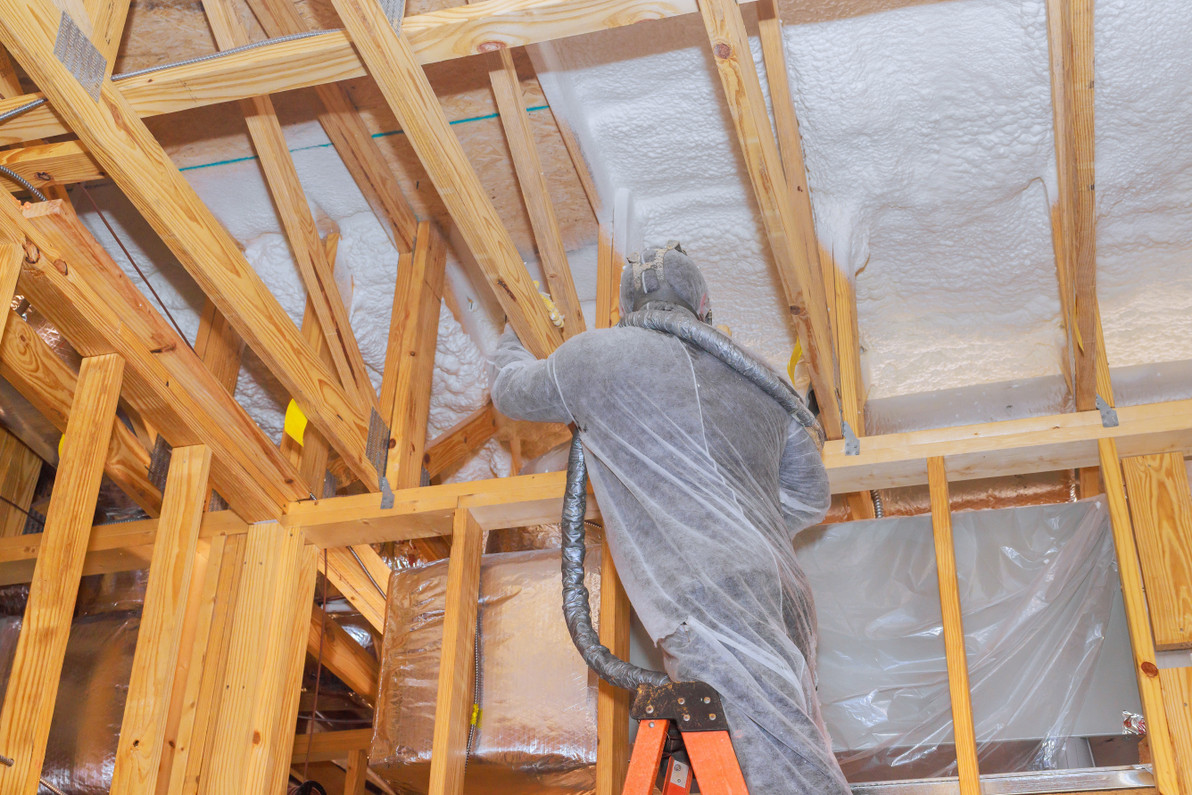
15 Minute Thermal Barrier Spray Foam Code Guide
When working with spray foam insulation, understanding fire safety compliance is essential for both safety and passing inspections. A properly installed 15-minute thermal barrier spray foam system creates a protective layer that slows the spread of fire, improves fire protection, and helps meet strict building codes. Whether you're handling residential or commercial projects, knowing when and how to apply these systems ensures your work remains compliant and efficient.
What Is a 15 Minute Thermal Barrier for Spray Foam?
A thermal barrier is a material designed to separate foam plastics from occupied spaces, reducing the risk of ignition and limiting exposure to high temperatures during a fire. It plays a critical role in slowing the spread of fire and protecting building occupants.
How a Thermal Barrier Protects Against Fire
A properly installed barrier acts as a shield between the insulation and the interior environment. When exposed to heat, it delays combustion and slows the rate at which flames spread across surfaces, giving occupants valuable time to evacuate safely.
What “15-Minute Rating” Actually Means
The 15-minute thermal barrier rating refers to how long the material can resist fire exposure before the underlying foam becomes vulnerable. This time window is based on standardized fire testing and is designed to provide a minimum level of life safety.
Common Thermal Barrier Materials (Drywall vs Coatings)
The most common solution is gypsum board, which has long been used as a reliable fire resistant barrier. However, modern alternatives like intumescent coating systems are increasingly popular because they can be applied over spray foam without requiring additional framing or finishing work.
Spray Foam Thermal Barrier Requirements in Building Codes
Understanding spray foam thermal barrier requirements is key to avoiding failed inspections and costly corrections. Both residential and commercial codes clearly define when protection is required and what materials are acceptable.
IRC and IBC Code Sections You Need to Know
IRC R316.4 Explained
This section applies to residential construction and requires a 15-minute thermal barrier between spray foam and interior spaces. It ensures that foam insulation is not left exposed in areas where people live or work.
IBC 2603.4 Explained
For commercial and industrial buildings, this code outlines similar requirements but allows for additional tested systems. It ensures that all fire protection measures meet approved standards, even in more complex structures.
When a Thermal Barrier Is Required
A thermal barrier is typically required in any space where spray foam insulation is exposed to occupants. This includes living areas, basements, and attached garages. In some cases, such as an attic or crawl space with limited access, alternative protection methods may be allowed depending on the application.
Ignition Barrier vs Thermal Barrier: Key Differences
Understanding the distinctions between ignition and thermal barriers helps contractors choose the appropriate level of protection and stay compliant.
What Is an Ignition Barrier?
An ignition barrier is a lighter form of protection designed to prevent foam from igniting under lower heat exposure. It is commonly used in unoccupied spaces and provides basic resistance rather than full fire endurance.
When Ignition Barriers Are Allowed Instead
Ignition barriers are typically permitted in areas that are not regularly accessed, such as attics or crawl spaces used only for maintenance. These systems still need to meet building codes, but they do not provide the same level of protection as a thermal barrier.
Why Thermal Barriers Provide Higher Fire Protection
Thermal barriers offer a stronger defense against fire because they are designed to withstand higher temperatures for longer periods. This added durability significantly reduces the risk of rapid flame spread and structural damage.
Common Mistakes Contractors Make When Choosing Between Them
- Using ignition barriers in occupied spaces
- Misinterpreting code exceptions
- Installing materials that lack proper fire testing
Approved Fire Barrier Coating for Spray Foam
Using a tested fire barrier coating for spray foam is one of the most efficient ways to meet compliance requirements without relying on traditional materials.
What Is an Intumescent Coating?
An intumescent coating is a specialized material that reacts to heat by expanding into a thick, insulating layer. This reaction helps protect the underlying insulation from direct flame exposure and slows the spread of fire.
How Spray-Applied Thermal Barrier Coatings Work
These coatings are sprayed directly over foam surfaces, creating a seamless protective layer. When exposed to fire, they expand and insulate the foam, helping meet the required 15-minute performance standard.
Meeting Code Without Drywall
One of the biggest advantages of these coatings is that they eliminate the need for gypsum board, making them ideal for projects with exposed structures or complex layouts. When properly installed, they fully satisfy spray foam thermal barrier requirements.
Thickness and Application Requirements
To achieve the required fire rating, coatings must be applied to specific thicknesses specified by the manufacturer. Proper coverage and curing are essential to ensure the system performs as tested.
When to Use 15 Minute Thermal Barrier Spray Foam Coatings
Residential Applications
In homes, these coatings are commonly used in garages, basements, and interior areas where spray foam is visible. They provide both safety and maintain the insulation’s contribution to energy efficiency.
Commercial and Industrial Projects
Larger facilities benefit from coatings because they can be applied quickly across wide or irregular surfaces. This makes them ideal for warehouses, mechanical rooms, and exposed structural areas.
Retrofits vs New Construction
In retrofit projects, coatings offer a practical way to upgrade existing insulation without major demolition. In new construction, they provide flexibility by eliminating the need for additional framing required for drywall installation.
How Contractors Can Ensure Code Compliance
Ensuring compliance requires attention to detail at every stage of the project, from product selection to final inspection.
Verifying Approved Assemblies and Testing
Always confirm that the system being used has been tested to meet 15-minute thermal barrier standards under recognized fire testing methods.
Understanding Manufacturer Specifications
Following manufacturer guidelines is critical, as improper application can void compliance even if the product itself is approved.
Preparing for Inspection Approval
Inspectors will look for consistent coverage and proper installation, so it’s important to address any exposed areas before scheduling approval.
Documentation and Certification Best Practices
- Keep product data sheets and fire test reports
- Document application thickness and coverage
- Be ready to present compliance records during inspection
Common Code Violations (and How to Avoid Them)
Exposed Spray Foam in Occupied Spaces
One of the most frequent violations occurs when spray foam is left uncovered in areas where people live or work. This issue is easily avoided by installing a compliant thermal barrier system or approved coating.
Choosing the Right 15 Minute Thermal Barrier Solution
Drywall vs Spray-Applied Coatings
Drywall remains a traditional solution, but it often requires more labor and time. Spray-applied coatings offer a faster and more adaptable alternative, especially for complex surfaces.
Cost, Labor, and Efficiency Considerations
Coatings typically reduce installation time and labor costs, while drywall may involve additional framing and finishing. Choosing the right option depends on the project scope and timeline.
Best Use Cases for Each Option
Drywall works well in standard interior spaces with flat surfaces, while coatings are better suited for exposed ceilings, tight spaces, and irregular structures.
Why Fire-Retardant Coatings Are the Preferred Solution for Contractors
Fire-retardant coatings are the preferred solution for contractors because they significantly reduce installation time compared to drywall. These systems can be spray-applied quickly, minimizing labor demands while maintaining compliance with fire safety standards, making them ideal for projects with tight deadlines or limited workforce availability.
They are especially effective in complex or exposed areas where drywall installation is impractical. When properly applied, coatings provide consistent coverage, meet fire protection standards, and align with spray foam thermal barrier requirements, ensuring durable, code-compliant performance across residential, commercial, and industrial applications.
Simplifying Spray Foam Code Compliance
Understanding spray foam thermal barrier requirements doesn’t have to be complicated. By selecting the right materials, following tested application methods, and aligning with building codes, contractors can ensure every project meets safety standards. Whether using drywall or coatings, the goal remains consistent: create a reliable protective layer that slows fire spread and supports long-term performance.
Choose proven fire protection solutions from RDR Technologies and ensure your projects meet code with confidence. Explore high-performance coatings and purchase today for reliable, compliant results on every job.
Recent Posts
-

Fire Retardant Coating for Exterior Wood: Protecting Structures from Fire Risk
Exterior wood is used for siding, decks, fences, and outdoor structures. However, wood-based buildin …May 18th 2026 -
15 Minute Thermal Barrier Spray Foam Code Guide
When working with spray foam insulation, understanding fire safety compliance is essential for both …May 18th 2026 -
Painting Styrofoam Insulation: How To Do It
Painting styrofoam insulation is a common finishing step in garages, basements, and utility spaces w …Mar 2nd 2026