
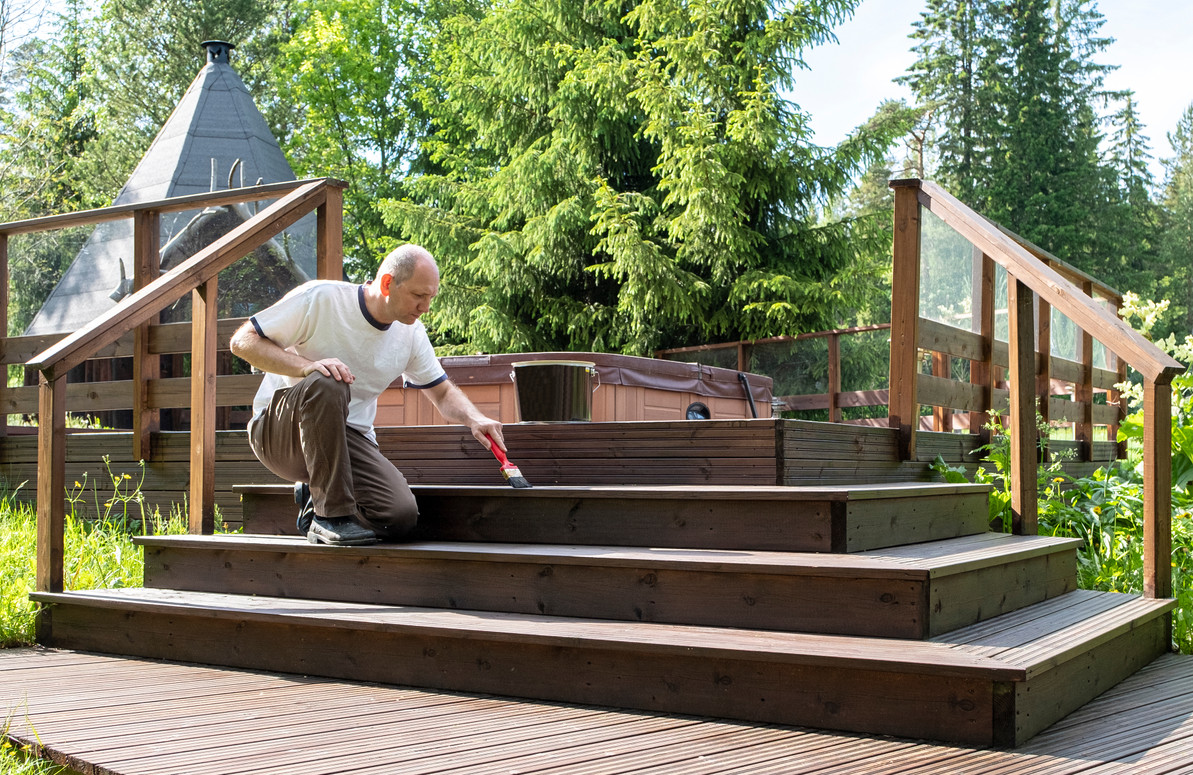
Fire Retardant Coating for Exterior Wood: Protecting Structures from Fire Risk
Exterior wood is used for siding, decks, fences, and outdoor structures. However, wood-based building materials can contribute to flame spread when exposed to heat, sparks, or embers. It is vital to understand how to select fire protection systems to ensure safer construction.
Why Exterior Wood Is Vulnerable to Fire
The constant exposure of exterior wood to thermal stress and environmental elements significantly elevates the risk of ignition and fire vulnerability.
When wood is subjected to heat, its fibers decompose and release combustible gases, leading to ignition. Once a fire starts, its ability to migrate across the surface and affect adjacent building materials is influenced by several factors, including the wood's density, moisture content, applied finishes, and inherent surface burning characteristics.
There are several environmental factors that increase fire risk on outdoor wood, such as:
- Heat and UV Exposure: Sun and heat can dry exposed surfaces.
- Dry Climates and Seasonal Conditions: Drought and low humidity reduce moisture.
- Wildfire and Ember Exposure: Wind-driven embers can reach decks, siding, fences, and trim.
What Is a Fire Retardant Coating for Exterior Wood?
A fire-retardant coating for exterior use is a protective, specialized treatment applied to wood surfaces to help reduce ignition and slow the spread of flames. While traditional paints focus on aesthetics, these formulations prioritize fire safety performance. But, how do flame-retardant coatings work?
These coatings function by altering the thermal response of wood. Certain varieties work by producing a defensive char barrier, whereas others function by diminishing overall combustion.
Fire Retardant vs Fire-Resistant Materials
Exterior wood coated with a fire-retardant system can help slow ignition and reduce flame spread during fire exposure. Fire-resistant materials, such as concrete or masonry, naturally withstand heat and combustion without additional treatment. While coatings improve fire protection for wood structures, they do not make wood noncombustible.
Key Performance Characteristics to Look For
When selecting a product for outdoor applications, it is critical to evaluate its weatherproofing capabilities, durability, and how well it adheres to the surface. Additionally, verify its ability to minimize smoke development and reduce flame spread, ensuring all performance claims are backed by documentation that aligns with relevant building codes and fire ratings.
Exterior Wood Fire Protection: How Coatings Reduce Ignition Risk
Fire-retardant coatings help slow flame spread across exterior wood surfaces by creating a protective barrier that changes how materials react to heat exposure. This added layer of protection can reduce ignition potential and help slow the spread of fire on siding, decks, fences, and other wood-based structures.
Some fire coatings also help reduce heat release and smoke developed during combustion, supporting safer evacuation and response conditions. In wildfire-prone environments, exterior wood fire protection systems may also help prevent surface ignition caused by airborne embers and radiant heat exposure near surrounding structures.
Types of Fire Protection for Wood Structures
Different fire protection systems are available for exterior wood, each designed for specific environmental conditions, finishes, and performance requirements.
Intumescent Coatings
When exposed to high temperatures, these coatings expand and create a thick insulating char layer that helps protect the wood surface from direct heat and flame exposure.
Penetrating Flame Retardant Treatments
These treatments absorb directly into the wood fibers and are often selected when maintaining a more natural wood appearance is important for the project.
Film-Forming Fire Retardant Coatings
These coating systems create a durable protective layer over the wood surface while also helping improve finish consistency and overall appearance.
Selecting the right exterior wood fire protection system depends on several factors, including weather exposure, substrate condition, durability expectations, desired appearance, and fire safety compliance requirements. Some coatings are better suited for decorative residential surfaces, while others are designed for commercial or high-exposure environments.
Where Fire Retardant Coatings Are Used on Exterior Wood
Wood fire protection systems are commonly used in a variety of outdoor applications. Common applications include:
- Siding and Cladding: help reduce flame movement across exterior walls.
- Decks and Railings: to add protection to outdoor gathering areas.
- Fences and Outdoor Structures: help protect wood near ignition sources.
- Commercial and Multi-Family Applications: Supports planning for higher-occupancy properties.
Building Code and Fire Safety Considerations for Exterior Wood
Building code requirements vary by structure type, occupancy, location, and surrounding fire exposure risks. Some jurisdictions may require specific flame spread ratings, tested fire protection systems, or approved exterior fire retardant products for certain residential, commercial, or multi-family applications.
To support compliance, coatings should be selected according to tested performance standards, manufacturer specifications, and local code requirements. Proper application methods, coverage rates, and maintenance schedules also play an important role in ensuring the system continues performing as intended over time.
How to Apply Flame Retardant Coating on Wood
Proper preparation and application help ensure consistent performance, durability, and reliable exterior wood fire protection results.
- Surface Preparation Requirements: Start with clean, dry wood. Remove dust, grease, loose coatings, and finishes that affect adhesion.
- Application Methods: Spray, Brush, Roll: Application may be completed by spray, brush, or roller. Consistent coverage is essential.
- Coverage Rates and Thickness: Follow manufacturer specifications for coverage rate and film thickness. Too little product can reduce performance.
- Drying and Curing Conditions: Allow the coating to dry and cure under recommended temperature, humidity, and ventilation conditions.
Maintenance and Reapplication for Long-Term Protection
How Weather Impacts Coating Performance
Environmental conditions significantly influence how well a coating performs over time. Factors such as consistent rain, UV radiation, surface abrasion, and fluctuating temperatures can eventually degrade the durability of exterior finishes.
Inspection and Maintenance Best Practices
Conducting frequent assessments is vital for spotting issues like cracking, peeling, or moisture infiltration. Identifying these worn sections early ensures that the exterior fire protection remains effective and helps determine the necessary schedule for upkeep.
When to Reapply for Continued Fire Protection
The timeframe for reapplication varies based on the specific product used, the level of environmental exposure, and the manufacturer's recommendations. Consistent maintenance is the key to preserving long-term structural safety.
Common Mistakes to Avoid with Exterior Wood Fire Protection
To maintain optimal safety, ensure you do not treat standard paint as a replacement for fire-rated products or apply treatments to wood that contains moisture. Furthermore, it is essential to strictly follow specified coverage rates and recognize that fire protection needs vary based on specific environmental conditions.
Choosing the Right Fire Retardant Coating for Exterior Wood
Key Factors: Durability, Weather Resistance, Compliance
The coating should match the substrate, exposure conditions, desired appearance, and fire safety requirements.
Comparing Coating Types for Exterior Conditions
Some systems suit decorative wood, while others are designed for commercial environments.
Balancing Aesthetics and Fire Protection
A properly selected system can help protect wood while preserving the expected exterior appearance.
Why Fire Retardant Coatings Are Essential for Wood Structures
Untreated exterior wood can increase fire risk. By applying fire-retardant coatings, you create a vital safety barrier that minimizes the risk of ignition, inhibits the spread of flames, and improves the building's overall fire performance.
Reducing Fire Risk with Exterior Wood Protection
Exterior wood protection should be part of a broader fire safety strategy. Proactive fire protection planning helps reduce long-term risks, support compliance goals, and improve the overall safety and durability of exterior wood structures.
At RDR Technologies, we provide deep expertise and tailored solutions for specialized fire-retardant options. We help you select the most efficient fire protection system for your specific project. Don’t wait to protect your exterior wood structures. Take a proactive approach to fire safety and help reduce potential risks before they become costly problems.
Recent Posts
-
Fire Retardant Coating for Exterior Wood: Protecting Structures from Fire Risk
Exterior wood is used for siding, decks, fences, and outdoor structures. However, wood-based buildin …May 18th 2026 -
15 Minute Thermal Barrier Spray Foam Code Guide
When working with spray foam insulation, understanding fire safety compliance is essential for both …May 18th 2026 -
Painting Styrofoam Insulation: How To Do It
Painting styrofoam insulation is a common finishing step in garages, basements, and utility spaces w …Mar 2nd 2026