
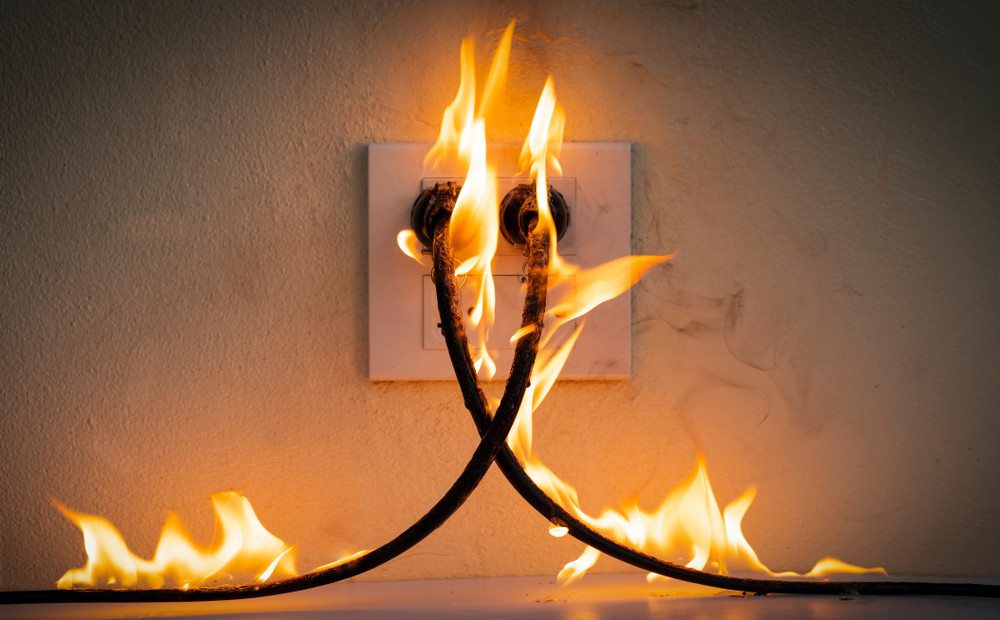
How Many Classes of Fire Are There?
Understanding fire classes is critical for safety and preparedness in both homes and commercial buildings. Fires are categorized based on the materials that ignite them and how they spread. Knowing how many classes of fire exist and what distinguishes them allows you to respond effectively, prevent accidents, and choose appropriate protective measures.
There are five main classes of fire, labeled A, B, C, D, and K. Each class has unique characteristics, fuels, and hazards. This article provides a clear safety breakdown so you can better understand and mitigate fire risks.
Table of Contents
- How Many Classes of Fire Are There? A Clear Safety Breakdown
- What Is a Class A Fire?
- What Defines a Class B Fire?
- What Is a Class C Electrical Fire?
- What Are Class D Fires and Why Are They Dangerous?
- What Is a Class K Fire?
- How Can Fire Retardants Help Prevent Different Classes of Fire?
How Many Classes of Fire Are There? A Clear Safety Breakdown
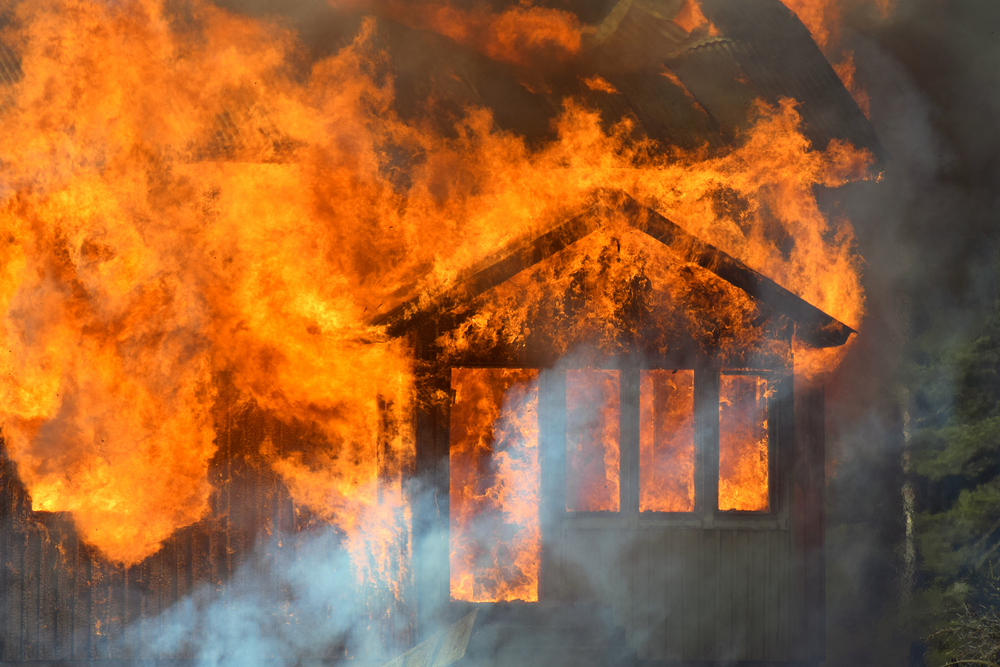
Vanguard reminds us that there are five primary classes of fire: A, B, C, D, and K. Each class is defined by the type of fuel involved and the fire’s behavior. Understanding these classes is essential for prevention, risk assessment, and effective suppression.
Understanding fire classes plays a direct role in preparedness. When you know what materials are most likely to fuel a fire in a given space, you can take steps to reduce exposure, improve storage practices, and apply protective treatments where appropriate.
What Is a Class A Fire?
Class A fires are the most common of the 5 different classes of fires. These fires involve common combustibles such as wood, paper, fabric, rubber, trash, and plastics. If it is a solid material that can burn, it's at risk for a Class A fire. If fuel present is abundant, like paper in a trash can, these fires can intensify quickly.
Class A fires can spread rapidly when fuel is plentiful and are often intensified by cluttered spaces or improper storage of combustibles. Offices, homes, schools, and warehouses are all environments where Class A fire risks exist.
Prevention tip: Keep flammable materials organized and away from ignition sources, and maintain clear pathways to reduce fire spread.
What Defines a Class B Fire?
Class B fires are fueled by flammable liquids and gases, such as gasoline, oils, solvents, paints, lacquers, and certain industrial chemicals. Unlike solid materials, these fuels can flow and spread, allowing fires to expand quickly across surfaces.
Water is ineffective on Class B fires because it can cause flammable liquids to spread rather than suppress the flames. This makes proper storage and handling of these materials critical in both residential garages and commercial facilities.
Prevention tip: Store flammable liquids in appropriate containers, away from heat sources and open flames.
What Is a Class C Electrical Fire?
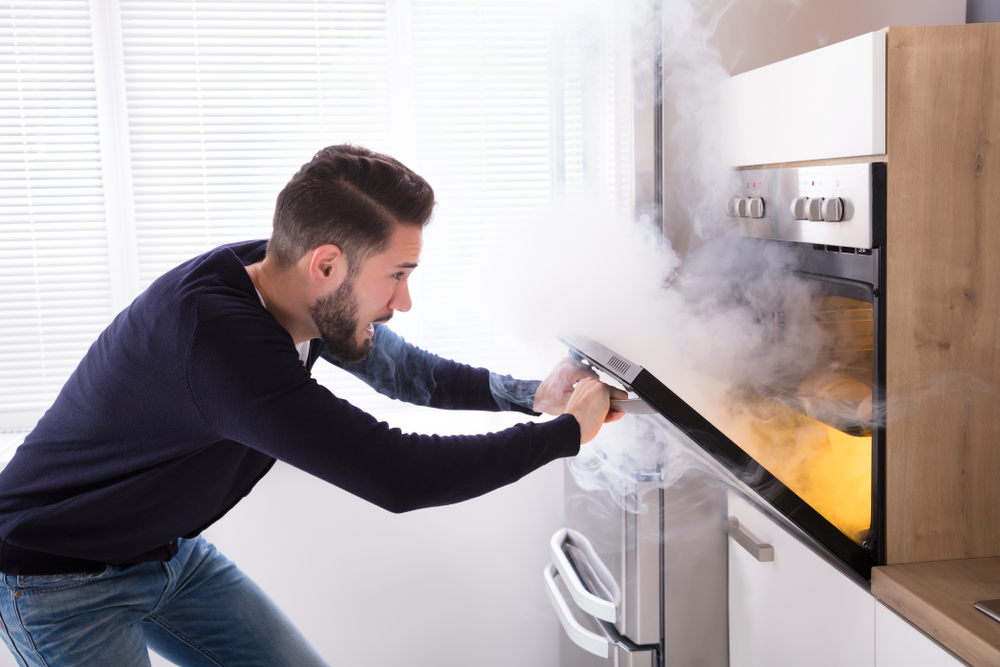
Class C fires involve energized electrical equipment. This could be anything like wiring, controls, motors, machinery, or appliances. These fires can originate from wiring, appliances, machinery, or electrical panels.
- Residential settings may include outlets, extension cords, or aging appliances.
- Commercial settings often involve electrical rooms, data centers, construction equipment, or industrial machinery.
Once power is removed, a Class C fire may revert to another class depending on the remaining fuel. Prevention centers on proper maintenance, avoiding overloaded circuits, and addressing damaged wiring before failure occurs.
What Are Class D Fires and Why Are They Dangerous?
Class D fires involve combustible metals such as magnesium, lithium, and titanium. These fires are less common but pose significant hazards due to their intense heat and unpredictable reactions.
Traditional suppression methods can be ineffective or dangerous because some metals react violently with water or standard extinguishing agents. For this reason, Class D fires require specialized handling and prevention strategies.
These risks are most often found in manufacturing, laboratories, and industrial environments where metal powders or shavings are present.
What Is a Class K Fire?
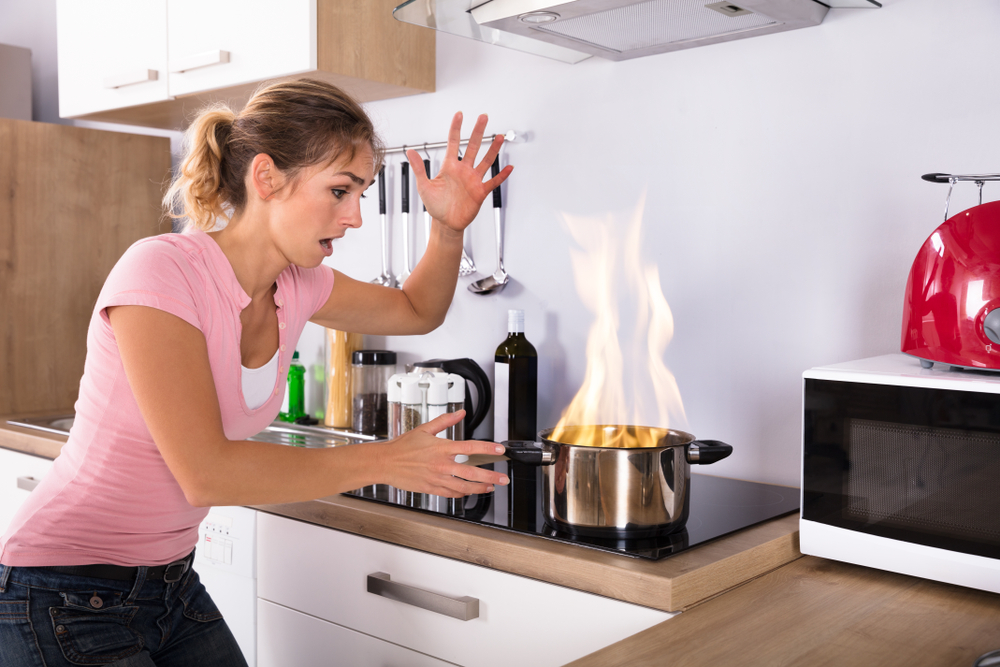
Lastly, Class K fires involve cooking oils and fats, commonly found in commercial kitchens. Grease fires spread quickly and are difficult to manage. For this reason, Class K fires are some of the most dangerous. Water can make a grease fire worse, so you want to smother the flames or use a fire extinguisher. Because of the specialized nature of these fires, prevention focuses on equipment maintenance, grease management, and proper ventilation.
Commercial kitchens face unique fire risks due to constant heat exposure and the accumulation of combustible cooking residues.
How Can Fire Retardants Help Prevent Different Classes of Fire?
Fire prevention does not rely on a single solution. Instead, it combines safe behaviors, proper maintenance, and material protection. Fire retardants play a valuable role by helping slow ignition, reduce flame spread, and limit heat transfer when fires occur.
At RDR Technologies, we focus on prevention rather than reaction. We help property owners reduce fire risks across multiple environments by identifying where protective treatments make sense. Depending on the application, this may include using fire-retardant paints on exposed surfaces or incorporating fire-retardant additives into building materials during manufacturing or renovation.
These approaches support broader fire safety strategies by reducing how quickly fires grow and helping structures maintain integrity longer during emergencies.
We are a preventative fire protection resource, working to support safer homes, workplaces, and facilities. By understanding fire classifications and taking proactive steps to reduce fuel and ignition risks, property owners can build a stronger foundation for long-term fire safety.
Recent Posts
-
Painting Styrofoam Insulation: How To Do It
Painting styrofoam insulation is a common finishing step in garages, basements, and utility spaces w …Mar 2nd 2026 -

Halloween Decor Safety: Protecting Costumes, Props & Haunted Houses with Fire Retardants
Halloween is one of the most creative holidays of the year. From glowing jack-o’-lanterns to elabora …Nov 5th 2025 -

Cost-Benefits of Investing in Fire Retardant Coatings
In today’s construction and safety-conscious environment, protecting buildings, assets, and people h …Nov 5th 2025