
How Do You Fireproof Metal?
As you think of what materials would be likely to catch on fire, you probably imagine wood and fabrics. You're right to assume both of these materials would quickly catch on fire and feed the flames. This isn't an exhaustive list, though.
While it may take longer to catch fire and require hotter, more intense flames, metal will eventually melt and burn as well. If you want to be truly protected, you need to learn all you can about how to fireproof metal. The good news is that with the right fire-retardant coatings for steel and other metals, you can significantly increase fire resistance and buy valuable time in an emergency.
Make Fireproof Metal With Special Paint
Let's first take a moment to mention that nothing is ever truly "fireproof." Given hot enough and intense enough flames, anything and everything will eventually succumb to fire. What you're looking for is to make metal more fire-resistant. Fire resistance refers to the duration of time an item, in this case a piece of metal, can withstand the flames, gases, and rising temperatures during a fire.
In most construction and industrial applications, the goal isn’t to make metal fireproof forever, but to keep its structural integrity long enough for people to evacuate and for firefighters to respond.
Steel, especially stainless steel, is the most fire-resistant material. Steel is considered to be a fire-resistant material because it can retain all of its strength in temperatures up to 700ºF. At 930ºF, it loses 30 percent of its strength, and at temperatures above 1000ºF, unprotected steel loses close to half of its strength. If the steel in question is holding up a building, that's a big problem. For this reason, one can never be safe enough when it comes to fire safety. There are ways to increase the fire resistance of metal.
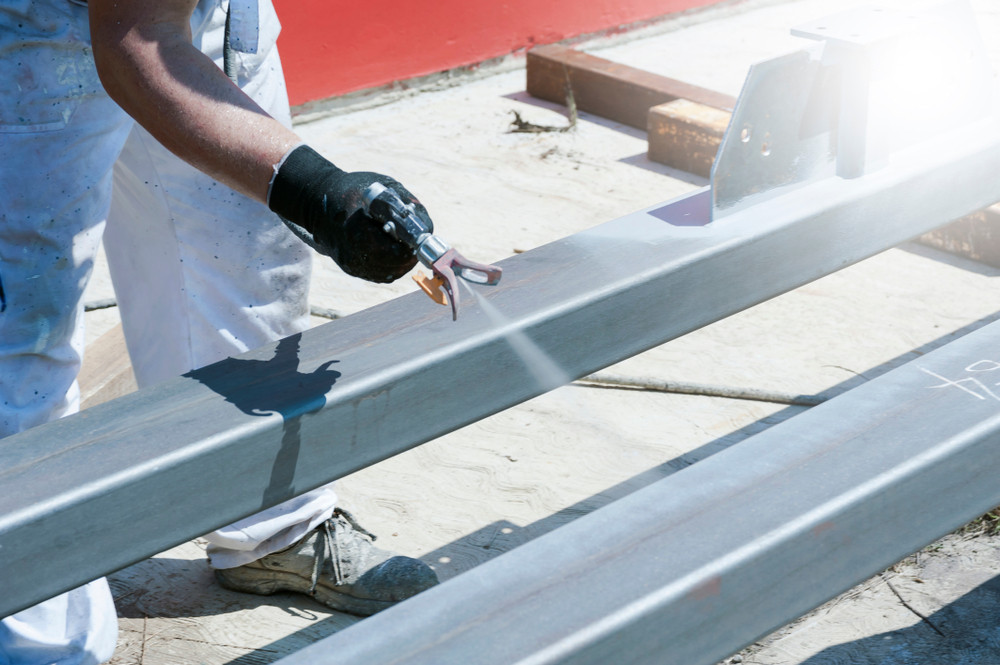
If you’re looking to fireproof a stove, grill, cast iron, stainless steel beams, or any other type of metal, you need to look further into Fireproof paint made specifically for metal. This paint looks like traditional paint, but it provides extra safety by:
- Reducing flammability
- Decreasing the fire’s intensity
- Slowing the spread of flames
- Helping you comply with fire and building codes
There are two types of fire retardants: intumescents and non-intumescents.
Intumescent vs. Non-Intumescent Coatings for Metal
Non-intumescent paint made to fireproof metal slows the flames from spreading. They are meant for fires to self-extinguish. The second option, intumescent paint, reacts to high temperatures by swelling and creating thick char barrier layers of foam to insulate the structure behind the paint from fire and smoke.
Typically, the intumescent substance will become 50 times thicker than its original state well before steel undergoes any structural damage. The two choices boil down to either letting the metal catch on fire without the flames actually damaging it or spreading to anything next to it, versus blocking the item from catching on fire in the first place.
A few of our favorite options include:
You can also browse all of our fire-retardant coatings for steel and metal in one place in our online store to compare options for interior and exterior projects.
Benefits of Using Fire-Retardant Coatings on Metal
Fire-retardant coatings offer essential protection in environments where metal must remain stable under extreme heat. Some of the key benefits include:
- Increased fire resistance, helping metal withstand high temperatures for longer periods.
- Improved safety for occupants by slowing heat transfer and reducing the risk of early structural failure.
- Delayed structural failure, giving more time for safe evacuation and emergency response.
- Helps meet fire and building code requirements, especially in commercial and industrial projects.
- Suitable for a wide range of metal surfaces, including steel beams, columns, pipes, siding, metal doors, and structural frames.
These coatings are often a mandatory part of fire protection systems in both new construction and retrofitted buildings.
Are Metal Roofs Fire Resistant?
Metal roofs are highly regarded for their fire resistance, making them a popular choice in areas prone to wildfires. Most metal roofing materials have a Class A fire rating, meaning they are among the most fire-resistant options available. They do not ignite or burn easily, providing an added layer of protection for homes and commercial buildings. When combined with other fireproof materials, metal roofing systems can offer some of the highest levels of safety against fires.
What Is the Most Fire-Resistant Metal?
Among all metals, stainless steel is widely considered the most fire-resistant due to its high melting point and ability to maintain structural integrity at elevated temperatures. Titanium is another metal with excellent fire resistance properties, though it is more commonly used in aerospace and specialized industries. For everyday applications like construction and manufacturing, stainless steel remains the top choice when fire resistance is a priority.
If you need help, the team at RDR Technologies is always here for you! Tell us about your project, substrate, and code requirements, and we’ll recommend the best fire-retardant coating system for your metal application.
FAQs
Can all metals be fireproofed?
Yes. Most common construction metals, including steel, aluminum, and iron, can be treated with fire-retardant coatings. The level of protection varies by metal type, but all can benefit from increased fire resistance.
Does fireproofing paint change the look of metal?
Intumescent coatings typically have a thicker, more textured appearance once applied and may expand significantly during a fire. Non-intumescent coatings look more like standard paint and maintain a smoother finish. Clear fire-retardant options also exist for projects where the natural look of metal needs to be preserved.
How long do fireproof coatings last?
Most fire-retardant coatings have long lifespans and can last many years when applied correctly. Longevity depends on environmental exposure, thickness, and whether the coating is used indoors or outdoors. Many products remain effective for the life of the structure with proper maintenance.
Do coatings meet building code standards?
Many intumescent and non-intumescent coatings are tested and rated to meet NFPA, ASTM, and ICC code standards. Always check the manufacturer’s technical data sheet or certification to ensure the product is approved for your specific project requirements.
Can I apply intumescent paint myself?
Some fire-retardant coatings can be DIY-applied, especially for small projects, but intumescent paints often require trained professionals to ensure proper thickness, coverage, and code compliance. For commercial or structural jobs, professional application is strongly recommended.
Recent Posts
-

Halloween Decor Safety: Protecting Costumes, Props & Haunted Houses with Fire Retardants
Halloween is one of the most creative holidays of the year. From glowing jack-o’-lanterns to elabora …Nov 5th 2025 -

Cost-Benefits of Investing in Fire Retardant Coatings
In today’s construction and safety-conscious environment, protecting buildings, assets, and people h …Nov 5th 2025 -

Fire Resistant vs Fire Retardant vs Intumescent: What's The Difference
When it comes to fire safety, the terms fire-resistant, fire-retardant, and intumescent are often us …Nov 5th 2025