
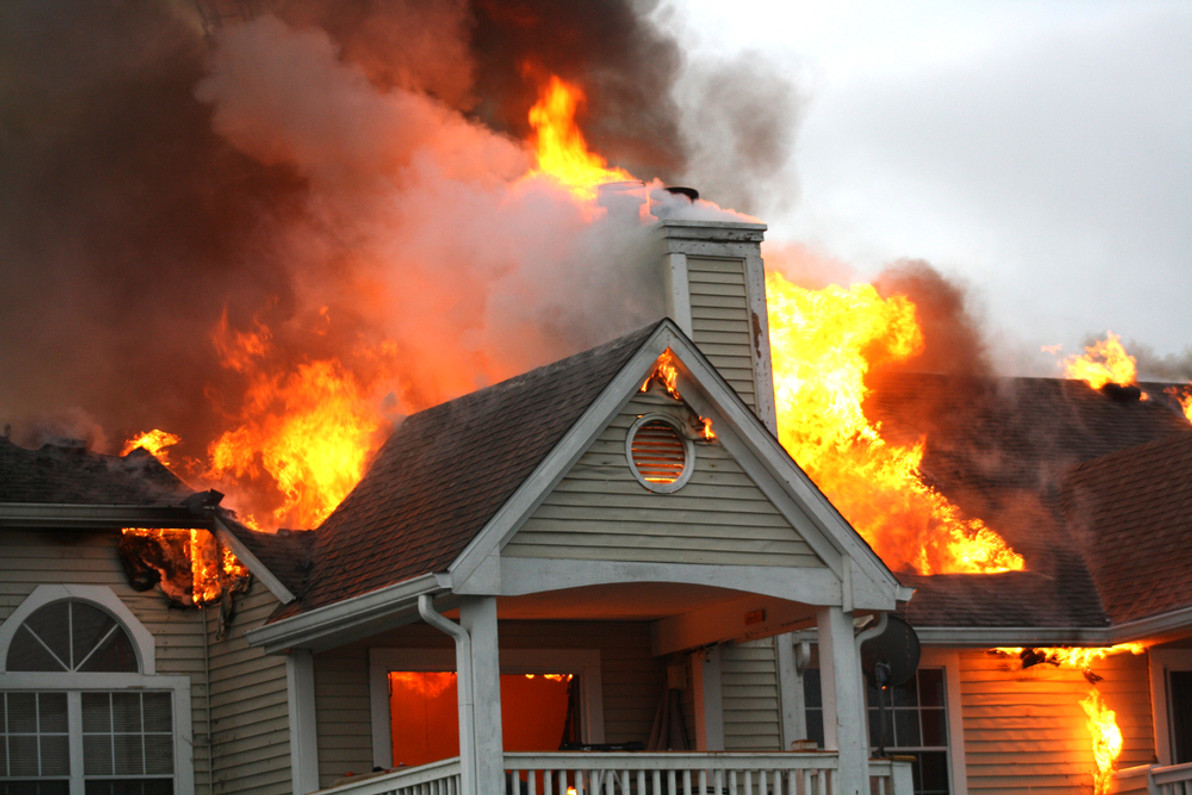
Top 4 Tips to Prevent a Fire at Home
According to the U.S. Fire Administration, thousands of residential fires occur every year, many of which are preventable. Understanding how to prevent home fires is essential for protecting your family, property, and belongings. This guide explains both behavioral strategies and product-based prevention methods, including the role of modern fire retardant products.
Fire safety doesn’t have to be complicated, small, consistent habits combined with the right protective materials can significantly reduce fire risks in any household.
How to Prevent Fire at Home
The last thing you want is to wait until there's a fire to think about fire safety. By then, it's already too late! In order to avoid the worst effects of a house fire, you'll want to know how to prevent fire at home.
Before diving into the four core tips, it’s important to understand that prevention requires proactive effort. Taking steps now, such as using safe habits and selecting protective materials like fire-retardant paints, provides a crucial safety advantage long before a fire can start.
#1 Educate Everyone in Your Home
Human behavior plays a major role in residential fire incidents, according to the NFPA. Making sure every member of the household understands basic fire-safe habits is one of the most effective first steps in prevention.
A few behaviors to teach and reinforce include:
- Proper candle safety (never leaving candles unattended)
- Staying alert while cooking
- Keeping space heaters away from fabrics and furniture
- Turning off heat-producing appliances when leaving a room
- Knowing how and when to call emergency services
Ensuring everyone understands these basics helps create safer day-to-day habits in the home.
#2 Test Your Smoke Alarms
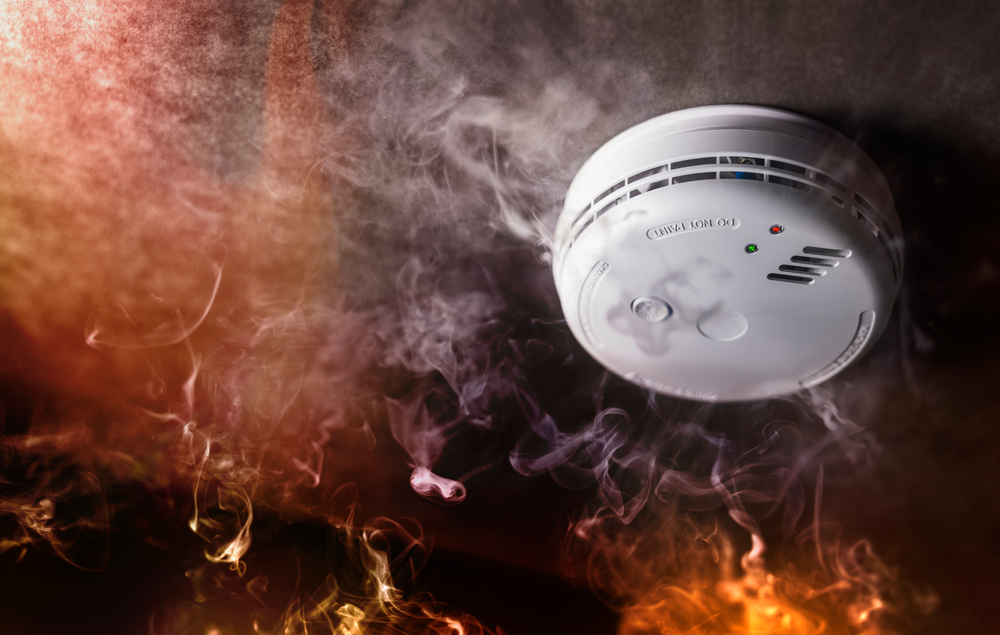
How old are your smoke alarms? The U.S. Fire Administration suggests testing smoke alarms once a month and changing their batteries twice a year. As well, it’s also recommended to replace the alarm itself every 10 years. Over time, older alarms become less sensitive, which can delay warnings in an emergency.
Recommended practices include:
- Test smoke alarms once per month
- Replace batteries twice per year
- Replace the entire alarm every 10 years
These steps help ensure early detection, which is one of the most important ways to prevent injuries and property damage.
#3 Check Your Home Appliances and Wiring
Everything from your oven to your dryer to your dishwasher uses heat, and that means they're all potential sources for a fire. Organizing safety checks into a few key categories can make this process easier and more thorough.
Appliances to inspect:
- Ovens, stoves, and microwaves
- Dryers (ensure vents are clear)
- Dishwashers and portable heaters
Electrical and wiring hazards to look for:
- Overloaded power strips
- Loose outlets or exposed wiring
- Frayed or damaged cords
- Extension cords used as permanent wiring
Warning signs homeowners often overlook:
- Flickering lights
- Burning smells
- Frequently tripped breakers
- Excess heat behind appliances
Addressing these issues helps reduce major ignition risks. From here, homeowners can take an additional step, treating materials to improve their fire resistance.
#4 Make Everything as Fire Resistant as Possible
While safe habits reduce ignition risks, material-based protection adds another layer of defense. Fire retardant products work by slowing ignition, reducing flame spread, and limiting smoke production, giving occupants more time to respond in an emergency.
Did you know that you could give your dining room table a fresh coat of paint with fire-retardant chemicals put right into the paint? You could make sure the drapes don't catch on fire, which would then spread to the wall. You could also spray your attic's insulation. The options are nearly limitless! All of this, and much more, can be accomplished by using fire retardant throughout your home.
Order Fire Retardants Online

Purchasing fire-retardant products in advance allows homeowners to take preventive action rather than reacting after a hazard appears. Beyond simply adding a layer of protection, using fire-retardant products helps create a safer home environment by reducing how fast flames spread, limiting smoke, and giving families more time to respond during an emergency.
For many homeowners, the challenge is knowing which product fits their needs. Whether you’re treating wood furniture, fabrics, decorations, or structural materials, choosing the right solution can make a meaningful difference in overall fire readiness. Understanding your substrate, your local code requirements, and how each product performs will ensure better long-term results.
As a national provider, RDR Technologies offers a wide range of fire-retardant coatings, paints, and sprays suitable for various household applications. Our catalog is designed to help homeowners compare options easily, so you can select a product that aligns with your project, comfort level, and safety goals. With the right preparation and materials, you can proactively strengthen your home’s fire safety long before a risk ever appears.
Recent Posts
-

Fire Retardant Coating for Exterior Wood: Protecting Structures from Fire Risk
Exterior wood is used for siding, decks, fences, and outdoor structures. However, wood-based buildin …May 18th 2026 -
15 Minute Thermal Barrier Spray Foam Code Guide
When working with spray foam insulation, understanding fire safety compliance is essential for both …May 18th 2026 -
Painting Styrofoam Insulation: How To Do It
Painting styrofoam insulation is a common finishing step in garages, basements, and utility spaces w …Mar 2nd 2026